




Vertical wind turbines
Client:
Web Genius LabDate:
June 11, 2019Category:
Windmill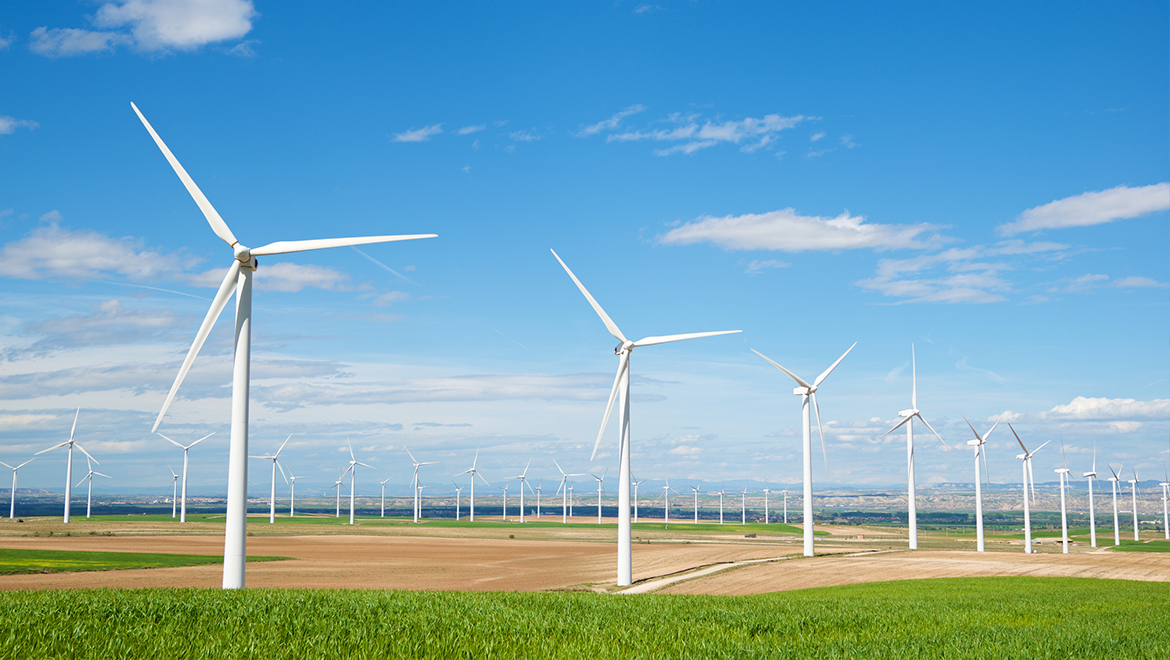
Wind Turbine Horizontal and Vertical axis
Wind turbines operate on a simple principle. The energy in the wind turns two or three propeller like blades around a rotor. The rotor is connected to the main shaft, which spins a generator to create electricity.
A wind turbine is a device that converts kinetic energy from the wind into electrical power. The term appears to have migrated from parallel hydroelectric technology (rotary propeller). The technical description for this type of machine is an aerofoil-powered generator.
The result of over a millennium of windmill development and modern engineering, today’s wind turbines are manufactured in a wide range of vertical and horizontal axis types. The smallest turbines are used for applications such as battery charging for auxiliary power for boats or caravans or to power traffic warning signs. Slightly larger turbines can be used for making contributions to a domestic power supply while selling unused power back to the utility supplier via the electrical grid. Arrays of large turbines, known as wind farms, are becoming an increasingly important source of renewable energy and are used by many countries as part of a strategy to reduce their reliance on fossil fuels
A wind turbine is a device that converts kinetic energy from the wind into electrical power. The term appears to have migrated from parallel hydroelectric technology (rotary propeller). The technical description for this type of machine is an aerofoil-powered generator.
The result of over a millennium of windmill development and modern engineering, today’s wind turbines are manufactured in a wide range of vertical and horizontal axis types. The smallest turbines are used for applications such as battery charging for auxiliary power for boats or caravans or to power traffic warning signs. Slightly larger turbines can be used for making contributions to a domestic power supply while selling unused power back to the utility supplier via the electrical grid. Arrays of large turbines, known as wind farms, are becoming an increasingly important source of renewable energy and are used by many countries as part of a strategy to reduce their reliance on fossil fuels
How does it work?
When in operation, wind turbines rely on the flow resistance mechanism to turn their rotors. In simple words, the dynamic pressure of the wind against the blades pushes the rotor into rotation. At the same time, the opposite side of the blades encounters a force of aerodynamic resistance or “drag.” This is just like what we experience when cycling or running: There’s always the air flow coming against us. Because of this, wind turbines can only turn as fast as the wind speed.